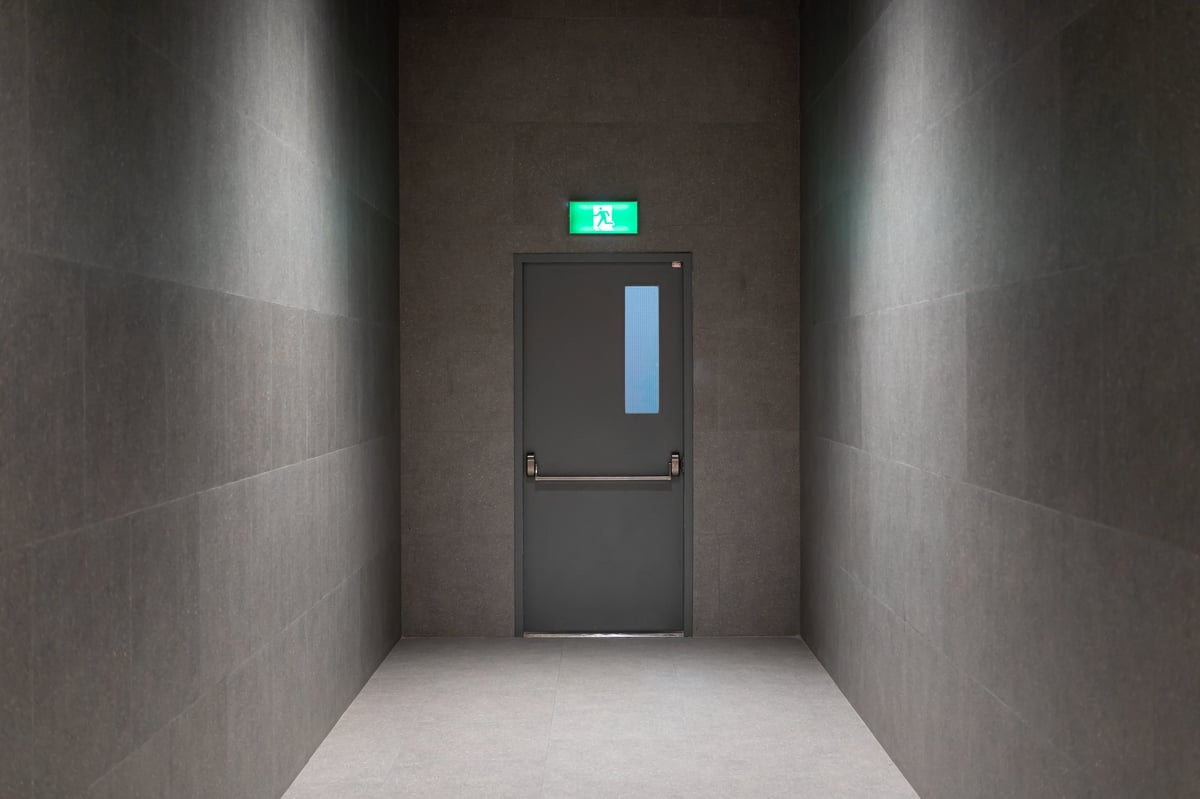
Modern Emergency Exit Door in Minimalist Dark Hallway with Overhead Light and Safety Sign
Safety & Compliance

Fire Doors: The Complete Guide for Business Owners

Everything you need to know about fire-rated doors, regulations, installation, maintenance, and compliance for commercial buildings in British Columbia.

15 min read May 3, 2026 Safety & Compliance
Read the Full Guide

For business owners in British Columbia, understanding fire doors is not just about compliance—it's about protecting your employees, customers, assets, and business continuity. A properly installed and maintained fire-rated door can mean the difference between a minor incident and a catastrophic loss.

Whether you operate a warehouse in Coquitlam, an office building in Burnaby, or a retail space in Port Coquitlam, fire doors are a critical component of your building's life safety system. Yet many business owners don't fully understand what fire doors are, what ratings they need, or how to maintain them properly.

This comprehensive guide answers the questions BC business owners ask most frequently about fire doors. We'll cover everything from what fire doors actually are and why they matter, to ratings, regulations, installation requirements, and maintenance best practices. By the end, you'll have the knowledge to ensure your building is safe, compliant, and protected.

What Are Fire Doors and Why Do They Matter?

A fire door is a specialized door assembly designed to resist the spread of fire and smoke between compartments of a building. Unlike regular doors, fire doors are tested and certified to withstand fire for a specified period, typically ranging from 20 minutes to 3 hours.

Fire doors serve multiple critical functions in a building's fire protection strategy:

  • Fire Compartmentalization: Fire doors create barriers that contain flames and heat within specific areas, preventing rapid fire spread throughout the building.
  • Smoke Control: Properly installed fire doors also prevent smoke from traveling through the building, which is crucial since most fire deaths are caused by smoke inhalation, not the flames themselves.
  • Safe Egress: Fire doors protect escape routes, giving employees and customers safe passage to exits during a fire emergency.
  • Property Protection: By containing fire to one area, fire doors limit property damage and protect inventory, equipment, and assets.
  • Firefighter Access: Fire doors create protected zones where firefighters can safely operate during fire suppression activities.

In British Columbia, fire doors are not optional for most commercial buildings—they're legally required under the BC Building Code and BC Fire Code. Failing to install, maintain, or inspect fire doors properly can result in significant fines, legal liability, and most importantly, endangered lives.

Did You Know?

According to the National Fire Protection Association (NFPA), buildings with proper fire door assemblies experience 60% less property damage from fire spread compared to buildings with inadequate fire door protection.

Understanding fire doors is essential for every business owner. Whether you're building a new commercial property, renovating an existing building, or simply ensuring your current facility meets code, this guide will provide you with everything you need to know about fire door selection, installation, and maintenance.

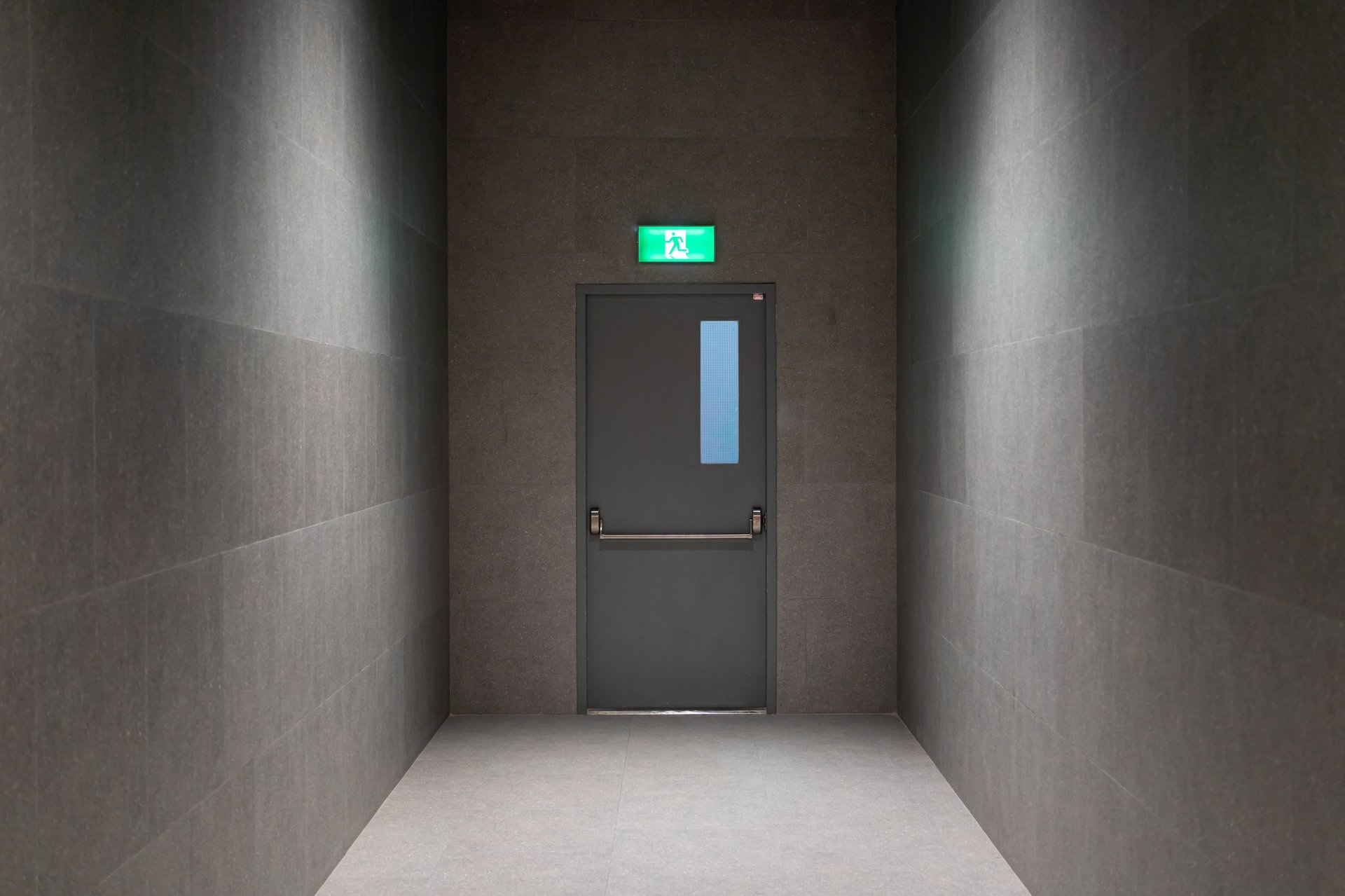
Fire exit door with fire exit sign in commercial building
Life Safety First

Did You Know?

According to the National Fire Protection Association (NFPA), buildings with proper fire door assemblies experience 60% less property damage from fire spread compared to buildings with inadequate fire door protection.

Understanding Fire Door Ratings

Fire door ratings indicate how long a door assembly can withstand fire exposure while maintaining its integrity. The rating is measured in minutes (20, 45, 60, 90, or 180) and is determined through rigorous testing to standards set by organizations like Underwriters Laboratories (UL) or Intertek.

Common Fire Door Ratings

20

20-Minute Fire Doors

Used for corridor doors and openings that don't require high fire resistance. Primarily designed to block smoke and flames briefly.

Office corridors, room dividers, elevator lobbies

45

45-Minute Fire Doors

Moderate fire resistance suitable for most commercial applications where standard protection is required.

Storage rooms, utility areas, corridors

60

60-Minute Fire Doors

Most common rating for commercial buildings. Provides substantial fire protection for business applications.

Server rooms, stairwells, exits

90

90-Minute Fire Doors

High fire resistance for areas with increased fire risk or where extended protection is necessary.

High-value storage, hazardous rooms

3 HR

3-Hour Fire Doors

Maximum fire resistance rating for fire wall assemblies separating large building sections.

Fire walls, separations

Important Note on Rating Selection

The required fire door rating for your building is not a choice—it's mandated by the BC Building Code based on your building's occupancy type, size, and the specific fire compartment requirements. Always consult with a qualified fire door professional or your local authority having jurisdiction (AHJ) to determine the correct rating for your application.

BC Building Code and Fire Code Requirements

In British Columbia, fire door requirements are governed by two primary regulatory frameworks that work together to ensure building safety: the BC Building Code and the BC Fire Code.

BC Building Code Requirements

The BC Building Code (BCC) specifies where fire doors must be installed based on building classification, occupancy type, and fire separation requirements. Key requirements include:

  • Exit Door Requirements: Doors in exits must be fire doors rated to at least 45 minutes, with some exceptions for 20-minute doors in low-rise buildings
  • Fire Separation Doors: Openings in fire separations require fire door assemblies with ratings matching the separation rating
  • Vertical Fire Separations: Stairwells, elevator shafts, and other vertical openings require fire door assemblies
  • Horizontal Exits: Areas designed as horizontal exits require fire door assemblies with specific hardware
  • Service Rooms: Doors to electrical rooms, mechanical rooms, and storage rooms must be fire-rated

BC Fire Code Requirements

The BC Fire Code (BCFC) focuses on ongoing maintenance and inspection requirements for fire doors. Under the Fire Code, building owners and managers are responsible for:

  • Annual Inspections: Fire door assemblies must be inspected at least annually by qualified personnel
  • Functional Testing: Doors must be tested to ensure they close and latch properly from the full-open position
  • Maintenance Records: Documentation of all inspections, tests, and maintenance must be maintained
  • Deficiency Correction: Any deficiencies found during inspection must be corrected in a timely manner
  • Self-Closing Device Testing: Automatic self-closing devices must be tested regularly

Legal Consequences

Non-compliance with fire door requirements can result in substantial penalties under BC legislation. Building owners can face fines of up to $100,000 per violation, and in cases where fire door failures contribute to injury or death, criminal negligence charges may apply. Beyond legal consequences, inadequate fire door protection significantly increases your liability exposure in fire-related lawsuits.

Authority Having Jurisdiction (AHJ)

In British Columbia, your local fire department or building official serves as the Authority Having Jurisdiction (AHJ) for fire door compliance. The AHJ has the authority to interpret code requirements, approve alternative solutions, and conduct inspections. When planning fire door installations or renovations, it's advisable to consult with your local AHJ early in the process to ensure your plans meet local requirements.

Where Fire Doors Are Required in Commercial Buildings

Understanding where fire doors are required is essential for building compliance. While requirements vary based on building classification and occupancy type, certain locations consistently require fire door protection in commercial buildings.

Common Fire Door Locations

Stairwells

Required at all levels to prevent fire/smoke spread and protect egress routes.

Elevator Shafts

Prevent fire from traveling vertically through the building.

Electrical Rooms

Contain potential electrical fires and protect critical infrastructure.

Mechanical Rooms

Protect against fire risks from HVAC and heating equipment.

Storage Areas

Protect flammable materials and high-value inventory.

Server Rooms

Safeguard critical business data and IT infrastructure.

Fire Walls

Protect openings in structural barriers between building sections.

Corridors

Protect means of egress in institutional and commercial occupancies.

Modern emergency exit door in minimalist dark hallway with safety sign

Not Sure What You Need?

Our fire safety experts can assess your building and determine the exact fire door requirements for your specific situation.

Get a Free Assessment

How to Determine Your Requirements

The exact fire door requirements for your building should be determined by a qualified fire protection professional or through consultation with your local building department. Factors include building height, area, occupancy classification, and whether the building is new construction or an existing building undergoing renovation.

Types of Fire Doors

Fire doors come in various configurations to suit different applications and architectural requirements. Understanding the different types helps you select the right door for your specific needs.

Swinging Fire Doors

The most common type of fire door, swinging fire doors operate like standard doors but are equipped with fire-rated components and specific hardware. They're available as single-leaf or double-leaf configurations and can swing in either direction. Swinging fire doors are typically used in corridors, stairwells, and room openings where a traditional door appearance is desired.

Sliding Fire Doors

Sliding fire doors move horizontally along a track rather than swinging open. They're ideal for situations where swing clearance is limited, such as between warehouse sections or in front of large openings. Fire-rated sliding doors can be manual or automatic and are commonly used in commercial and industrial applications. These doors often serve as fire wall barriers that can quickly close in the event of a fire.

Rolling Fire Doors

Rolling fire doors, also known as fire roller doors or fire shutters, roll up into a coil above the opening when opened. They're commonly used in commercial and industrial settings where large openings need fire protection, such as loading docks, warehouse separations, and parking structures. Rolling fire doors offer excellent fire protection and can be activated automatically by fire alarm systems or manually during emergencies.

Fire Access Doors

Fire access doors (also called utility or maintenance access doors) are smaller fire-rated doors used for accessing building infrastructure such as vertical chases, utility tunnels, and maintenance compartments. While smaller in size, they must meet the same fire rating requirements as larger doors in the same fire separation.

Fire Window Assemblies

In some applications, fire-rated glazing can be used instead of solid doors. Fire window assemblies are rated for their ability to withstand fire and prevent smoke passage while allowing visibility. They're often used in corridor walls, stairwell enclosures, and other locations where natural light transmission is desired while maintaining fire separation.

Specialty Fire Doors

Certain applications require specialized fire door configurations:

  • Smoke-Rated Doors: Designed specifically to restrict smoke passage even when fire ratings are minimal
  • Temperature Rise Doors: Limited to 250°F temperature rise on the unexposed side, protecting people in exit corridors
  • Sound-Rated Fire Doors: Combine fire protection with acoustic insulation for theaters, music venues, or recording studios
  • Blast-Resistant Fire Doors: Designed for high-security facilities with both fire and blast resistance requirements
  • Tornado-Resistant Doors: Meet both fire and tornado shelter requirements for certain building types

Selecting the Right Type

Choosing the right fire door type depends on multiple factors: the required fire rating, available space, traffic patterns, aesthetic requirements, budget constraints, and any special requirements unique to your industry or building. A qualified fire door supplier or installation professional can help you select the optimal configuration.

Fire Door Components and Hardware Requirements

A fire door is more than just the door panel itself—it's an complete assembly of components that must work together to provide fire protection. Each component is tested and certified as part of the fire door assembly.

Core Components of a Fire Door Assembly

Fire Door Panel

Must be constructed from fire-rated materials with permanent labeling. Cores may be mineral, wood, or steel depending on rating.

Fire Door Frame

Must be fire-rated and anchored properly. Frames are typically steel or wood and maintain the same rating as the door panel.

Lock Sets & Hardware

All hardware must be fire-rated and compatible. Includes mortise locks, exit devices, and electronic locks per manufacturer specs.

Self-Closing Device

Doors must close and latch automatically after opening. Accomplished via wall/floor closers or spring hinges.

Gaskets & Seals

Intumescent seals expand with heat; smoke seals prevent passage. Critical for fire door effectiveness.

Labels & Markings

Permanent labels indicate fire rating, manufacturer, and testing agency. Never paint over or remove labels.

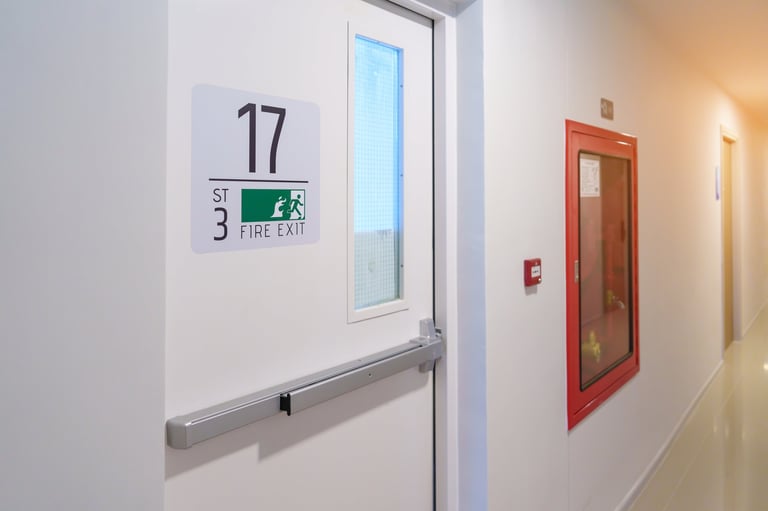
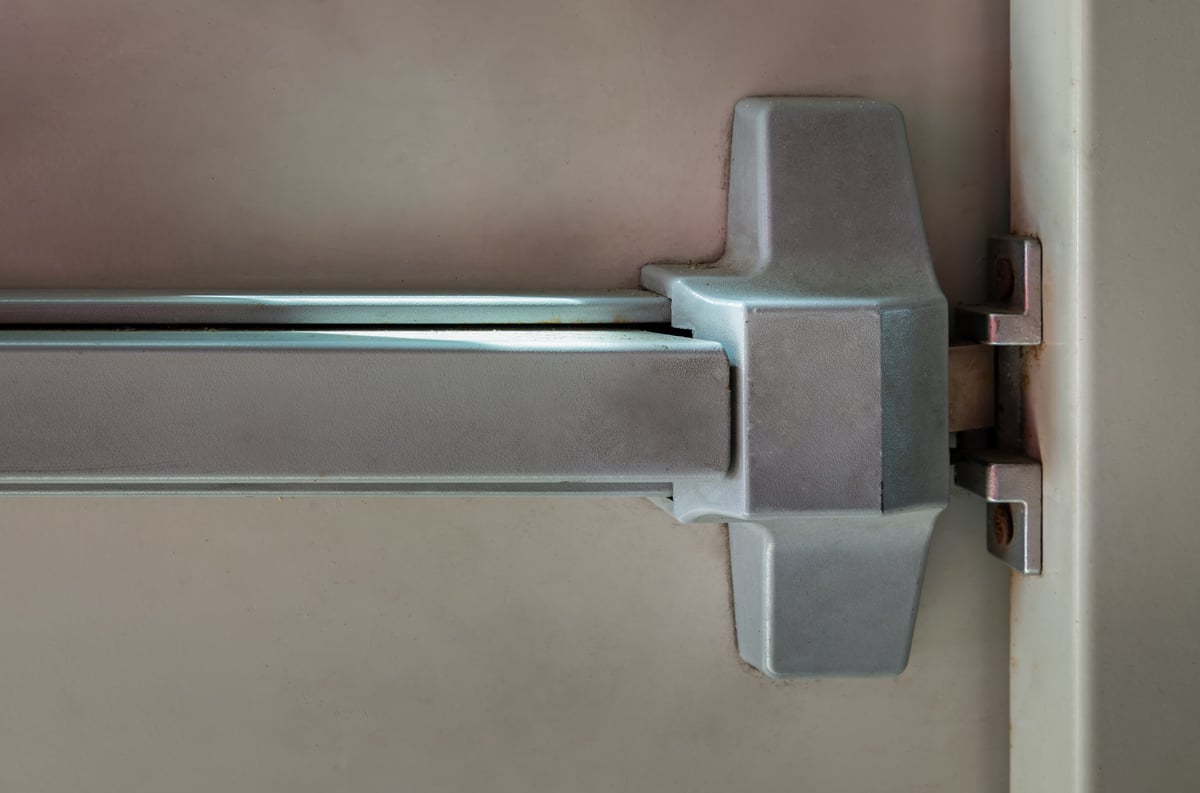
Close-up of latch and door handle of emergency exit with push bar

Fire door hardware must be tested and listed as part of the complete assembly

Critical: Use Only Listed Components

Fire door assemblies must be constructed from tested and listed components. Mixing components from different manufacturers or using unlisted hardware can invalidate the fire rating and create serious safety hazards. Always use hardware that has been specifically tested and listed for use with your fire door assembly.

Professional Fire Door Installation Requirements

Proper installation is critical to fire door performance. Even the highest-rated fire door can fail if not installed correctly. BC building codes and fire door manufacturers have specific installation requirements that must be followed.

Why Professional Installation Matters

Fire door installation requires specialized knowledge of building codes, fire door testing standards, and manufacturer specifications. Professional fire door installation Improper installation can result in:

  • Invalidation of the fire door rating
  • Failure during fire events
  • Non-compliance with building codes
  • Failed inspections and required corrections
  • Increased liability in fire-related incidents

Key Installation Requirements

1

Proper Frame Installation

Fire door frames must be securely anchored to the wall structure using the manufacturer-specified fasteners and anchoring methods. Frame gaps must be properly sealed with fire-rated materials.

2

Clearances and Gaps

Fire door clearances are strictly regulated. Gaps between the door and frame, as well as the gap under the door, must be within specified limits (typically 1/8" for most ratings) to prevent flame and smoke passage.

3

Hardware Mounting

All hardware must be installed using manufacturer-specified screws, reinforcement, and mounting methods. Improper hardware installation can compromise the door's structural integrity during a fire.

4

Wall Fire Rating Continuity

The wall or partition containing the fire door must have a fire rating equal to or greater than the door assembly. The installation must not compromise the wall's fire resistance.

5

Glazing Installation

Fire-rated glass or windows must be installed using fire-rated glazing systems. The glazing must be listed for use with the specific door and rating.

Installation Documentation

Professional fire door installers should provide documentation including: manufacturer certification, installation instructions, field modification records (if any), hardware schedule, and confirmation that the installation meets all applicable codes and standards. Keep this documentation with your building records for inspection and liability purposes.

Fire Door Inspection and Maintenance

Regular inspection and maintenance are essential for ensuring fire doors remain functional and compliant throughout their service life. Neglected fire doors can fail when needed most—during a fire emergency.

BC Fire Code Inspection Requirements

Under the BC Fire Code, building owners and managers must ensure fire door assemblies are inspected and maintained. Key requirements include:

  • Annual Inspections: All fire door assemblies must be inspected at least once per year by qualified personnel
  • Functional Testing: Doors must be tested to ensure they fully close and latch from the full-open position
  • Documentation: Written records of all inspections, tests, and maintenance must be maintained and available for review
  • Deficiency Correction: Any deficiencies must be repaired promptly by qualified personnel
  • Self-Closing Device Testing: Automatic closing devices must be tested regularly to ensure proper operation

What to Inspect

Visual Inspection Items

  • Door panel condition (no damage, warping, or holes)
  • Frame integrity and secure attachment
  • Label visibility and legibility
  • Hardware condition and security
  • Gap clearances (uniform around door)
  • Gasket/seal condition and presence
  • No unauthorized modifications

Functional Test Items

  • Door opens and closes freely
  • Door closes fully into frame
  • Door latches securely when closed
  • Self-closing device operates properly
  • No binding or sticking
  • Coordinator operates correctly (pairs)
  • Exit hardware functions properly
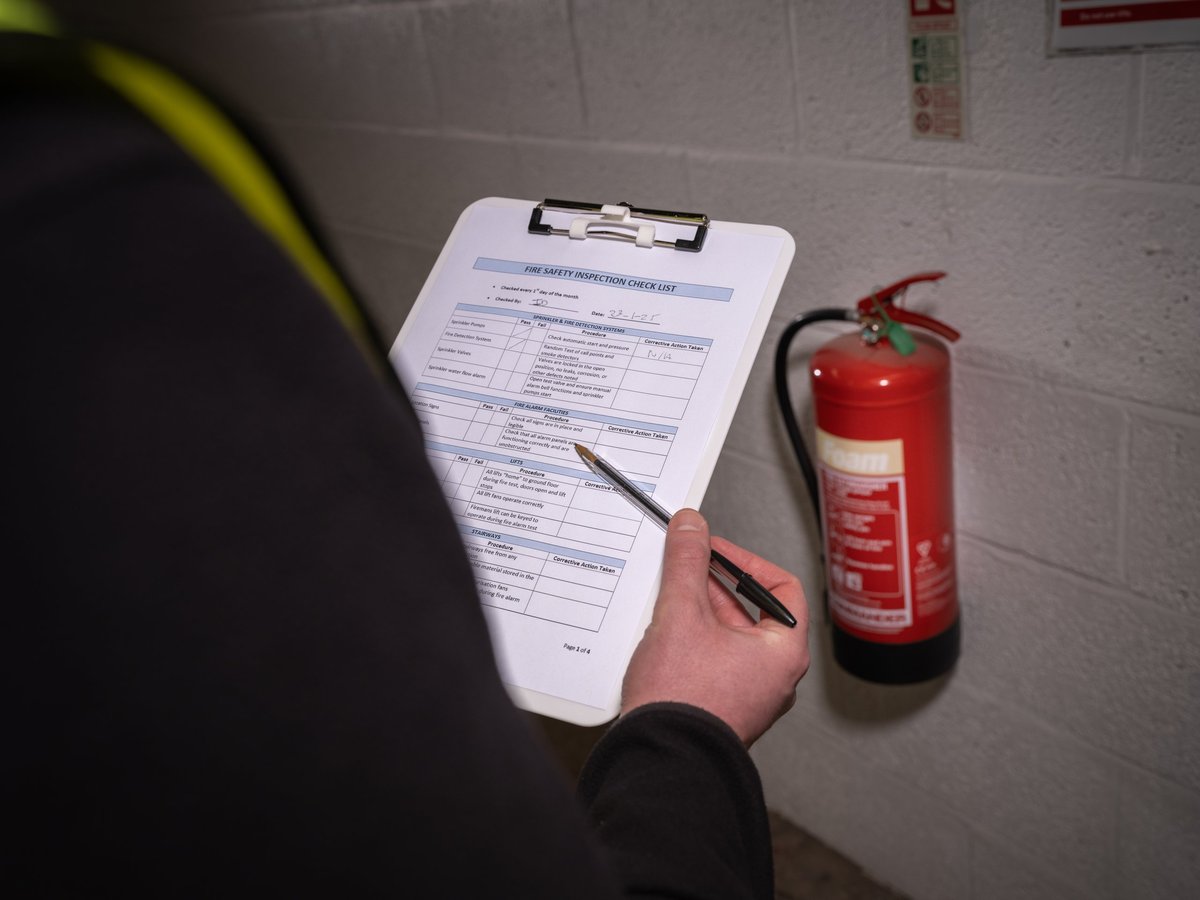
Professional security inspector carrying out fire safety inspection with checklist

Annual Inspections Are Required

BC Fire Code mandates annual fire door inspections by qualified personnel. Document all findings and repairs.

Maintenance Best Practices

Recommended Maintenance Schedule

  • Monthly: Quick visual inspection, clear obstructions, test self-closing devices
  • Quarterly: Detailed visual inspection, check all hardware, verify labels
  • Annually: Comprehensive inspection by qualified fire door technician
  • As Needed: Repair any damage, replace worn components, address deficiency reports

Partner with a qualified fire door inspection and maintenance provider who can perform comprehensive annual inspections and provide documentation for your records. This documentation is essential for regulatory compliance and demonstrates due diligence in fire safety maintenance.

Common Fire Door Mistakes to Avoid

Fire door failures during fires are often traced back to common mistakes made during installation, modification, or maintenance. Avoiding these pitfalls is essential for building safety and compliance.

Wedge Doors Open

Propping fire doors open is one of the most dangerous violations. Use approved hold-open devices that release during fire alarms.

Removing Labels

The fire rating label is the door's certification. Painting over or removing it renders the door non-compliant.

Improper Modifications

Drilling holes, adding card readers, or modifying doors without authorization can void fire ratings.

Broken Hardware

Damaged closers, non-functional latches, or broken hinges compromise fire door performance.

Improper Clearances

Gaps must be within tolerances—typically 1/8 inch for most ratings. Too large or too small causes problems.

Missing Gaskets

Damaged or missing intumescent seals and smoke seals significantly reduce fire door effectiveness.

Wrong Hardware

Using non-rated replacement hardware can invalidate the fire rating. Always use listed components.

Skipping Inspections

Neglecting annual inspections violates BC Fire Code and means deficiencies go undetected until it's too late.

Frequently Asked Questions About Fire Doors

Answers to common questions about fire doors for BC business owners

What is the difference between a fire door and a fire-rated door?
How long do fire doors last?
Can I install a fire door myself?
What happens during a fire door inspection?
How much does a fire door cost?
Can fire doors have glass/windows?
What is a fire door assembly?
Do fire doors need to be locked?

Need Fire Door Installation or Inspection Services?

Doorluxe Door And Gate provides professional fire door installation, inspection, and maintenance services for commercial buildings throughout British Columbia. Ensure your property is safe and compliant.

Serving Coquitlam, Port Coquitlam, Burnaby, and all Greater Vancouver areas